Factors Affecting the Price of Plastic Chairs
Plastic chairs have become a staple in diverse settings—from homes and cafes to schools and outdoor events—due to their versatility and affordability. However, potential buyers often question the factors influencing plastic chairs' prices. In this article, we will delve into the Plastic Chairs Price Factors, exploring the elements that contribute to cost variations and how they affect your purchasing decisions.
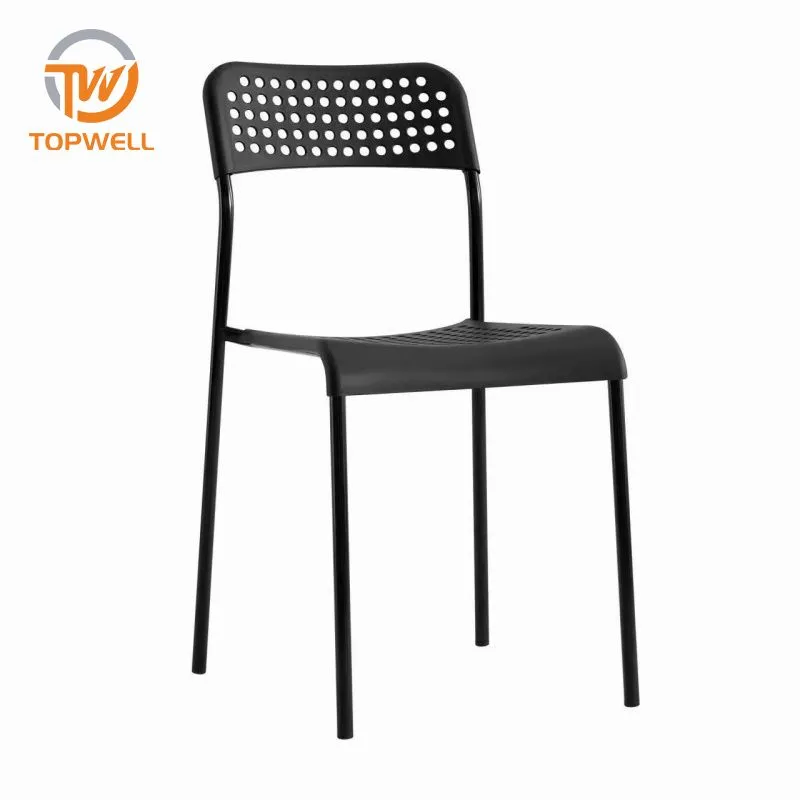
Definition: What Are Plastic Chairs?
Plastic chairs, often made from materials such as polypropylene or polycarbonate, are lightweight seating options that have core applications across various industries. These chairs are molded from plastic resin, which contributes to their durability and flexible design. The term "polypropylene" refers to a high-strength synthetic polymer that balances durability and cost-effectiveness—this is why it’s favored in the manufacturing of plastic chairs.
Industry Terms to Know
Polypropylene: A thermoplastic known for its fatigue resistance, commonly used in chair production.
Injection molding: A manufacturing process that allows for complex shapes, maximizing durability and aesthetic versatility.
UV stabilization: A feature in many plastic chairs that prevents color fading and degradation from sunlight exposure.
Application Scenarios: Where Are Plastic Chairs Used?
Plastic chairs find applications in a variety of settings, including:
Residential Areas: For dining rooms, patios, and children’s playrooms.
Commercial Spaces: Cafes and restaurants often choose them for their charm and easy maintenance.
Educational Institutions: Schools and universities opt for plastic chairs due to their lightweight and stackable design, which optimizes classroom space.
Outdoor Events: They are preferred for weddings, parties, and festivals due to their weather resistance and portability.
Brief Description of Advantages: Why Are Plastic Chairs Important?
The significance of plastic chairs can be attributed to several advantages:
Cost-Effectiveness: On average, plastic chairs can cost between $10 to $50, compared to wooden or metal chairs that start at $50 and can exceed $200.
Lightweight and Portable: Weighing approximately 3-5 pounds, they can be easily moved and rearranged as per need. This portability makes them suitable for various settings.
Durability and Maintenance: High-quality plastic chairs can withstand up to 300 pounds of weight and can last for several years with minimal maintenance, making them economically viable choices.
Understanding the price factors of plastic chairs can help consumers make informed decisions that fit their budgets and specific needs.
Plastic chairs are widely used in homes, offices, events, restaurants, schools, and outdoor environments because they are lightweight, affordable, and easy to maintain. However, not all plastic chairs are priced the same, even if they look similar at first glance.
One of the most important factors influencing price is the type of raw material used. Chairs made from virgin polypropylene (PP) or high-density polyethylene (HDPE) are generally more expensive than those made from recycled plastics. Virgin materials offer better strength, durability, color stability, and resistance to cracking, especially under sunlight or heavy use. Recycled materials reduce cost but may compromise consistency and lifespan.
The manufacturing process also plays a major role. Injection-molded chairs require precision molds and high-pressure machines, which increase upfront production costs but allow for consistent quality and large-scale output. In contrast, lower-cost production methods may reduce durability and surface finish quality. The complexity of the mold design—such as ergonomic shaping, stacking features, or reinforced structures—also adds to production costs.
Design and structural engineering directly affect pricing as well. A basic plastic stool with a simple shape is far cheaper than an ergonomically designed chair with reinforced legs, back support curvature, or anti-slip feet. Stackable designs, ventilation patterns, and aesthetic detailing require additional engineering and tooling investment, which is reflected in the final price.
Another key factor is load-bearing capacity. Chairs designed to support higher weight or intended for commercial use require thicker walls, stronger rib structures, and more robust materials. These enhancements increase material consumption and production time, leading to higher prices compared to lightweight household models.
Brand positioning and quality standards also influence cost. Well-established manufacturers often invest in quality control systems, certifications, and testing procedures to ensure durability and safety compliance. These operational costs are embedded in the product pricing. On the other hand, unbranded or generic products may offer lower prices but with less assurance of long-term reliability.
Ending: Next Step Guidance
For those looking to deepen their knowledge about Plastic Chairs Price Factors, consulting user guides or product reviews is recommended. When purchasing, consider reputable brands such as Topwell, which are known for their high-quality plastic chairs that strike a balance between affordability and durability.


Comments
Post a Comment